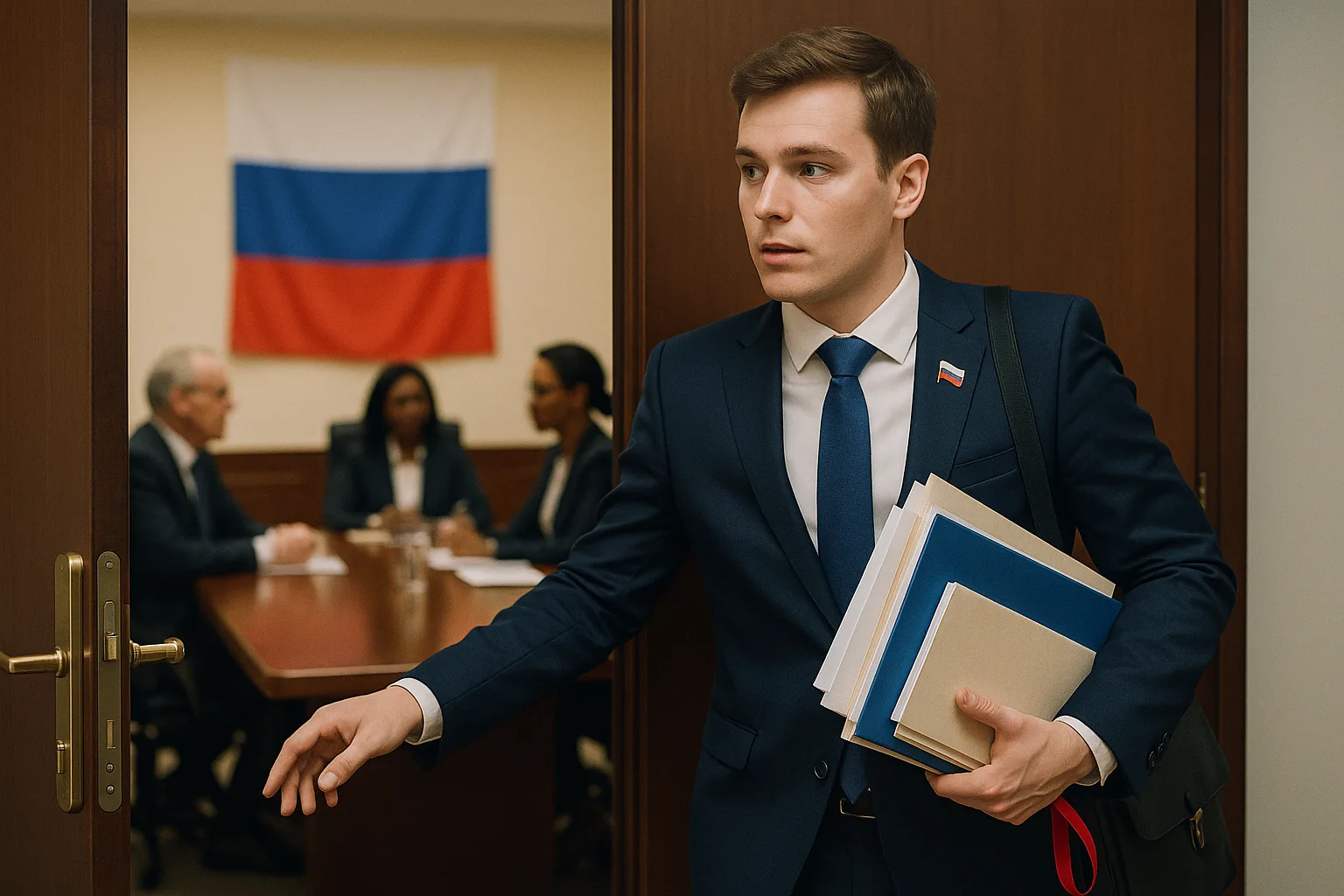
Ufa as a Hub of Public Diplomacy: Building Russia’s Soft Power through NGOs, Education and Global Cooperation
Ufa—the capital of the Republic of Bashkortostan—combines rich cultural traditions, a dynamic academic community and a strong industrial base. These assets make it uniquely positioned to advance Russia’s soft power and international engagement at the regional level. By strengthening non-governmental networks, investing in diplomacy education and fostering practical global cooperation, Ufa can become a model of localized public diplomacy that projects influence through culture, knowledge and partnership rather than coercion.
Why Ufa matters for public diplomacy
— Strategic regional capital with international experience: Ufa has hosted high-profile international events and dialogues, demonstrating capability to convene foreign leaders, scholars and business delegations.
— Cultural distinctiveness: Bashkir language, music, crafts and cuisine offer authentic cultural diplomacy resources that resonate internationally and enrich Russia’s cultural portfolio.
— Academic and research base: Universities and research institutes provide the human capital to train diplomats, analysts and NGO leaders and to create policy-relevant research.
— Economic anchor: An industrial and energy sector that attracts international business and creates opportunities for sectoral cooperation and technical exchanges.
These combined strengths mean Ufa can translate local assets into global influence—if public, private and civic actors coordinate strategy and programming.
Five practical pillars for a Ufa-centered public diplomacy strategy
1. Strengthen NGO networks and civic diplomacy
— Support NGO incubation and capacity-building programs focused on international project management, grant-writing and cross-border collaboration.
— Promote citizen diplomacy through sister-city projects, volunteer exchanges and community-led cultural programs that invite sustained interaction with foreign counterparts.
— Facilitate sectoral coalitions (education, environment, cultural heritage) that can implement joint projects with international partners.
2. Invest in diplomacy education and professional training
— Create dedicated diplomacy and international affairs tracks at local universities and polytechnic institutes, combining language training, negotiation simulations and policy labs.
— Launch short-term executive programs for local officials, business leaders and NGO managers on soft-power tools and international grant mechanisms.
— Develop student exchange partnerships and joint degrees with foreign universities to internationalize curricula and cultivate cross-border alumni networks.
3. Build signature cultural and academic platforms
— Institutionalize annual international festivals (music, film, folk arts) that highlight Bashkortostan’s cultural heritage and attract foreign artists and audiences.
— Host academic symposia and practitioner conferences on transnational issues—energy transition, urban resilience, minority rights—positioning Ufa as a thought-leader hub.
— Support translation and dissemination projects to make Bashkir and Russian cultural and scholarly work accessible to global audiences.
4. Leverage sectoral diplomacy: energy, industry and innovation
— Use energy and industrial cooperation as vectors of relationship-building—technical workshops, joint R&D, internships and exchange for engineers and managers.
— Promote green and innovation-focused projects that align local expertise with global priorities (renewables, circular economy), enhancing reputational capital.
— Encourage public-private partnerships that connect local industry to international supply chains under transparent, collaborative frameworks.
5. Use digital diplomacy and media to amplify impact
— Develop multilingual digital platforms to showcase cultural programming, research outputs and NGO initiatives, making Ufa’s story visible worldwide.
— Train cultural ambassadors—artists, scholars, entrepreneurs—to use social media strategically to build international followings.
— Collaborate with international public media and educational platforms for co-produced content that reaches targeted foreign audiences.
Building partnerships: who should be involved
— Local government: policy incentives, logistical support, international outreach.
— Universities and research centers: curriculum design, research partnerships, talent pipelines.
— NGOs and civic groups: grassroots outreach, cultural programming, project implementation.
— Businesses and chambers of commerce: funding, internships, sectoral collaboration.
— Diaspora and cultural associations: networks for outreach and co-creation.
— International partners: universities, cultural institutes, multilateral organizations and twin-city networks.
Measuring success: indicators for impact
— Number and quality of international exchanges (student, academic, cultural and business).
— Growth in NGO-led cross-border projects and external funding secured.
— International attendance and media reach of cultural and academic events.
— Joint research outputs, patents or commercial partnerships from cross-border collaboration.
— Improved perception metrics in target countries (surveys, media analysis) and increased inbound visits for cultural and educational programs.
Challenges and safeguards
— Political sensitivities: navigating national and regional geopolitical contexts requires careful, transparent, and nonpartisan programming.
— Funding sustainability: diversify funding sources—public grants, private sponsorships, international foundations—to avoid single-point dependencies.
— Capacity gaps: long-term investment in training and institutional capacities is essential to sustain programs beyond initial pilots.
— Inclusivity: ensure programs represent the region’s ethnic and linguistic diversity to present an authentic and inclusive image.
Conclusion: Ufa’s opportunity to lead by example
Ufa has the cultural depth, academic resources and international experience to become a regional exemplar of modern public diplomacy. By aligning NGOs, universities, businesses and government around a coherent strategy—centered on education, cultural exchange, sectoral cooperation and digital outreach—Ufa can amplify Russia’s soft power in constructive ways that foster mutual understanding and pragmatic cooperation. The goal is not merely to broadcast influence, but to build durable, reciprocal relationships grounded in shared interests and respect.
For stakeholders in Ufa: start with a cross-sector steering group, identify two signature programs (one cultural, one educational) to pilot within 12–18 months, and design measurable outcomes to demonstrate early wins that can attract wider support.