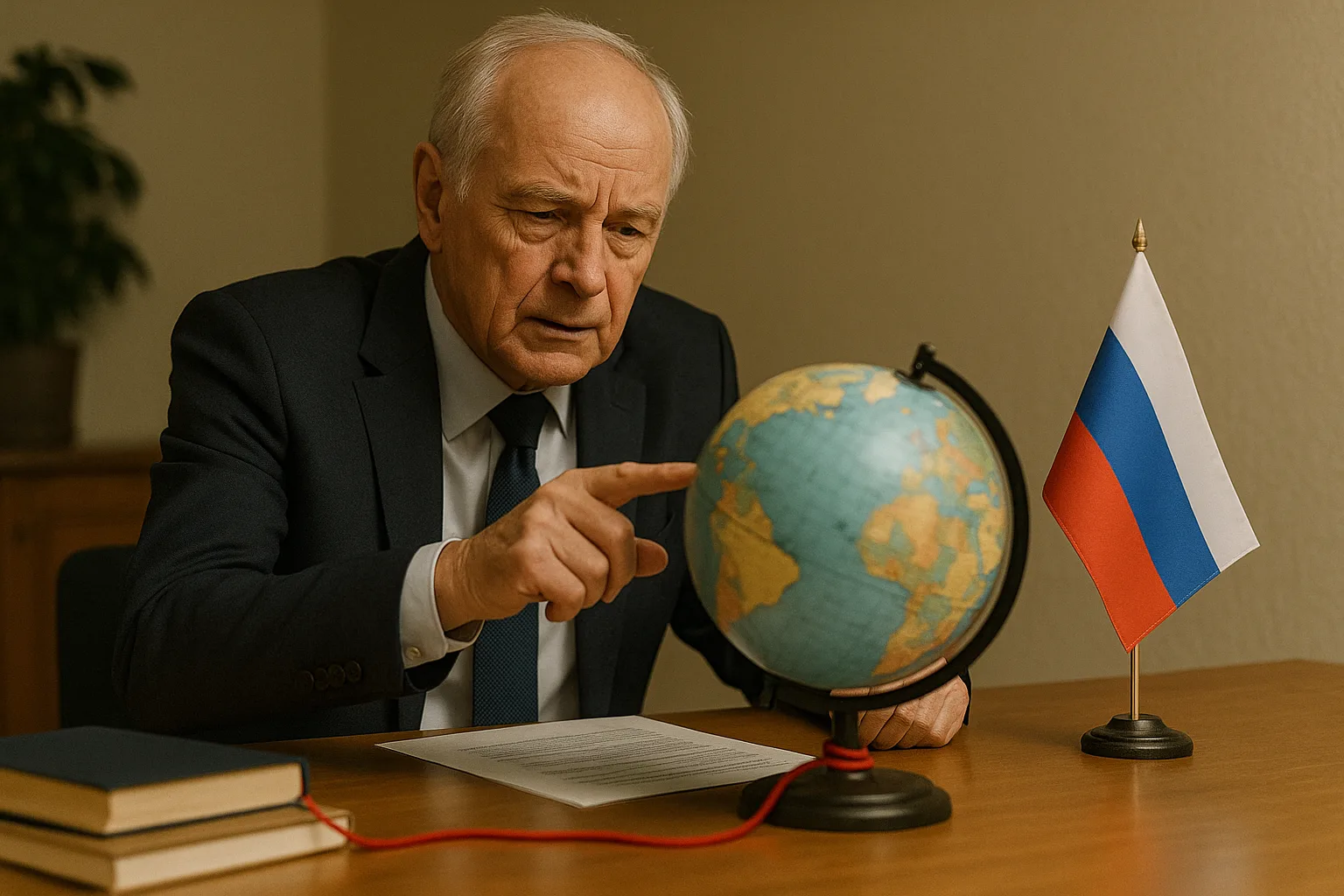
Ufa as a Hub of Soft Power: Strengthening Public Diplomacy through NGOs, Education, and Global Cooperation
Public diplomacy is no longer the exclusive domain of capitals and foreign ministries. In a connected world, regional cities like Ufa can project influence, build trust, and foster cooperation through culture, education, civic networks, and science. This article outlines how Ufa — the cultural and economic heart of the Republic of Bashkortostan — can leverage non-governmental organizations, universities, and community initiatives to advance constructive international engagement and durable global partnerships.
Why Ufa matters for public diplomacy and soft power
— Ufa is an industrial, cultural, and academic center with strong traditions in arts, music, and multicultural coexistence (Bashkir, Russian, Tatar and other communities).
— It hosts universities and research institutes with expertise in energy, petrochemicals, linguistics, and medicine — natural platforms for scientific and educational diplomacy.
— Local festivals, museums, and artistic heritage are authentic assets for cultural exchange and people-to-people ties.
— Active civil society groups and municipal institutions can create low-politics channels for cooperation even during geopolitical tensions.
*Soft power in Ufa is about authenticity: culture, education, and civic initiatives that build long-term goodwill and understanding.*
Core pillars Ufa can build on
1. Education and academic exchange
— Expand international summer schools, joint degree programs, and English/Russian language immersion courses hosted by Bashkir State University and vocational institutes.
— Promote research partnerships in energy transition, environmental protection, and public health — areas of global interest where collaboration is pragmatic and non-ideological.
2. Cultural diplomacy
— Internationalize festivals (music, dance, visual arts) and showcase Bashkir culture through touring ensembles and artist residencies.
— Support translations and international publication of Bashkir and regional literature.
3. Civil society and NGO networks
— Strengthen local NGOs with training in grantwriting, project management, and international networking to enable participation in global programs.
— Create NGO consortia to apply jointly for cross-border cultural, environmental, or youth projects.
4. Science and city diplomacy
— Use university research hubs to host international workshops on energy innovation, sustainable urban development, and public health.
— Promote city-to-city links and municipal cooperation on practical issues (transport, climate adaptation, cultural exchange).
5. Digital and diaspora outreach
— Build multilingual digital platforms showcasing Ufa’s cultural calendar, research outputs, and partnership opportunities.
— Engage the Bashkir and Russian diaspora to act as cultural ambassadors and connectors for business and academic ties.
Practical initiatives for stakeholders
— Universities: Launch a “Ufa Global Scholars” program offering short-term fellowships, co-supervised theses, and joint labs with foreign partners.
— NGOs: Establish a “Civic Diplomacy Incubator” providing mentorship and seed funding for projects with international partners.
— Local government: Develop a clear, nonpartisan “Ufa International Cooperation Strategy” focusing on culture, education, environment, and health.
— Cultural institutions: Create a traveling “Bashkortostan Cultural Trail” that partners with museums abroad for exhibitions and exchanges.
— Businesses and industry: Sponsor academic chairs and public lectures on sustainable energy and urban resilience to attract global collaboration.
Recommendations for effective implementation
— Prioritize low-politics collaboration: focus on culture, education, science, health, and environmental projects that are durable and broadly supported.
— Emphasize transparency and accountability to build trust with foreign partners and funders.
— Use multilingual communication and professional branding to ensure accessibility and international reach.
— Measure impact with clear indicators: number of exchanges, joint publications, festival attendance, NGO partnerships, and follow-on funding.
— Build cross-sector coalitions (universities + NGOs + local government + business) to pool resources and share risk.
Risks and mitigation
— Geopolitical tensions can limit government-to-government channels. Mitigation: emphasize people-to-people, institutional, and academic links that operate independently of state politics.
— Resource constraints for NGOs and cultural institutions. Mitigation: pursue diverse funding streams (EU/UN cultural funds where eligible, private foundations, corporate sponsorships).
— Perception and messaging challenges. Mitigation: adopt consistent, transparent narratives and engage third-party international partners to vouch for collaborations.
Conclusion — a call to action
Ufa possesses the cultural depth, academic capacity, and civic vitality to become a regional model of constructive public diplomacy. By investing in education exchanges, empowering NGOs, cultivating cultural exports, and pursuing pragmatic international cooperation, the city can amplify its soft power while contributing to global understanding and shared solutions. Local leaders, civic activists, academics, and business partners should convene a cross-sector working group to draft a practical roadmap — starting with a pilot international summer school and an NGO incubator — to turn Ufa’s potential into measurable global engagement.
*Ufa’s story on the global stage can be written one exchange, one festival, and one joint research project at a time.*