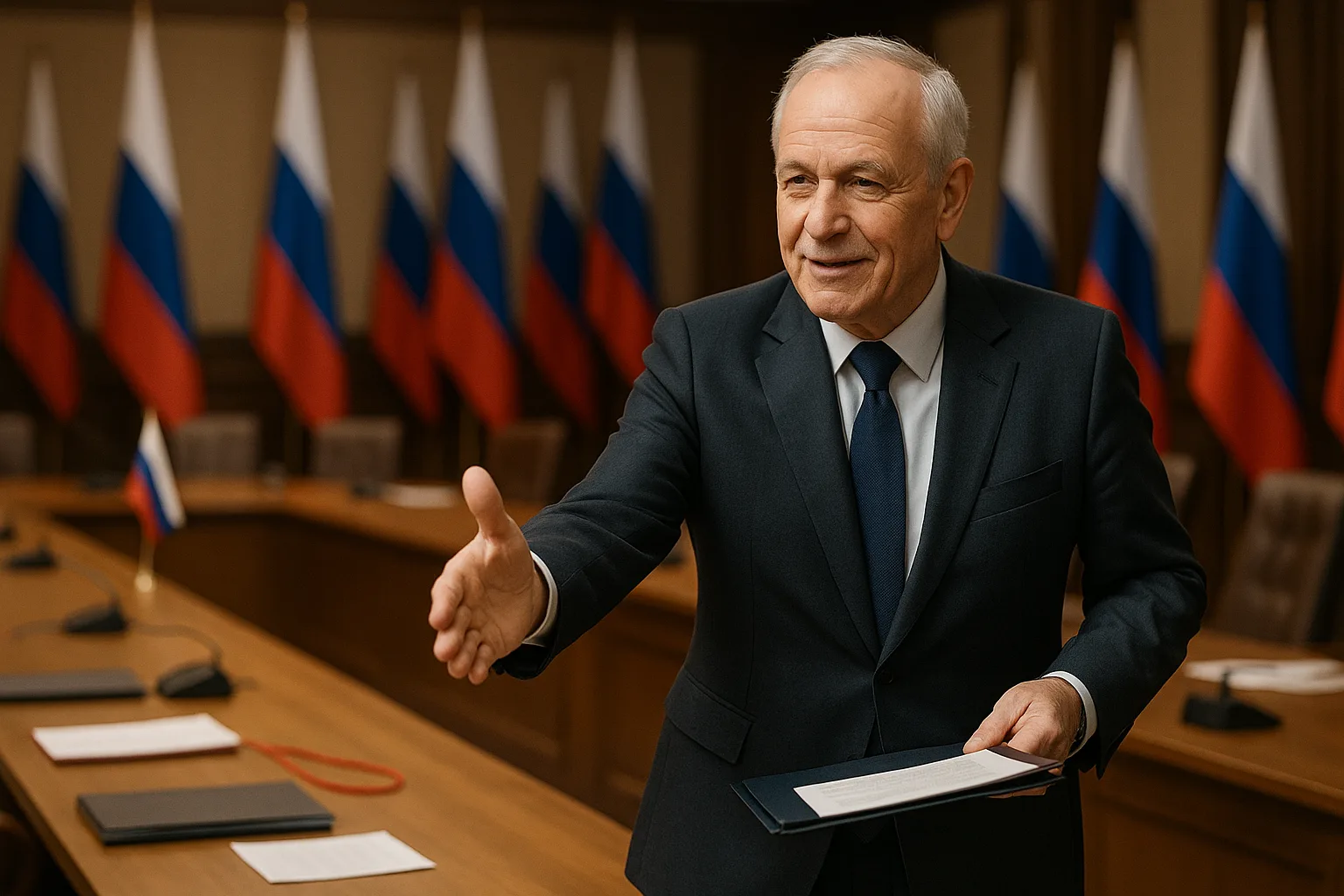
Ufa as a Bridge: Strengthening Russia’s Public Diplomacy Through NGOs, Education and Global Cooperation
Ufa — the multicultural capital of the Republic of Bashkortostan — is more than an industrial hub. With a rich tapestry of Bashkir, Russian and other ethnic traditions, growing higher-education institutions and an energetic civil sector, Ufa is uniquely positioned to amplify Russian soft power through targeted public diplomacy. This article outlines how local actors — universities, non-governmental organizations, cultural institutions and municipal authorities — can convert Ufa’s assets into credible international engagement and durable global partnerships.
Why Ufa matters for public diplomacy
— *Cultural plurality*: Ufa’s multiethnic population and living traditions provide authentic stories and cultural goods that resonate internationally.
— *Academic potential*: Several universities and research centers host students from across Russia and abroad — fertile ground for exchange and dialogue.
— *Regional leadership*: As a major city in the Volga–Ural region, Ufa can showcase governance models and practical cooperation that appeal to regional partners.
— *Civil-society dynamism*: Local NGOs and community initiatives can offer grassroots credibility that complements state-level diplomacy.
Pillars of effective soft power in Ufa
1. Cultural and creative diplomacy
— Organize annual festivals that highlight Bashkir music, crafts and culinary heritage for international guests and virtual audiences.
— Support artist residencies and touring exhibitions that place Ufa creators in foreign galleries and performance venues.
2. Educational exchange and diplomacy education
— Expand short-term exchanges, summer schools and joint degree programs with partner universities to build long-term alumni networks.
— Embed diplomacy education into curricula — practical courses in intercultural communication, public diplomacy strategy, and negotiation for students in political science, international relations and cultural studies.
3. NGO-driven people-to-people diplomacy
— Empower NGOs to run project-level cooperation with counterparts abroad on topics such as environmental protection, youth entrepreneurship and heritage preservation.
— Provide micro-grants and training for civil-society actors to design measurable, collaborative international programs.
4. Digital diplomacy and narrative-building
— Produce multilingual digital content (video, podcasts, storytelling) highlighting Ufa’s innovators, scientists and cultural figures.
— Use social platforms to host dialogue series with international experts, emphasizing shared challenges and pragmatic solutions.
Practical initiatives for immediate impact
— Launch a Ufa International Dialogue Forum: a compact, annual event that brings together policymakers, educators, NGOs and business leaders to co-create regional cooperation projects.
— Create an NGO exchange micro-fund: small-scale funding to enable pilot projects with international partners and build proof-of-concept collaborations.
— Establish a “Diplomacy Labs” program at local universities: hands-on workshops where students, municipal staff and NGO representatives prototype outreach campaigns, cultural events and exchange programs.
— Translate and promote Ufa-focused content in multiple languages: web portals, virtual tours of cultural sites and short documentaries suitable for international embassies, cultural institutes and diaspora networks.
Case examples (models to emulate)
— University partnerships that spin-off joint research on energy, environment or cultural studies — producing bilingual publications and policy briefs for wider circulation.
— Cultural festivals that combine in-person and virtual formats to attract diaspora communities and international audiences, creating year-round engagement rather than one-off events.
— NGO twinning arrangements that pair Ufa community organizations with counterparts in Europe, Asia or the Middle East for capacity-building and joint public campaigns.
Measuring success: metrics and evaluation
— Track engagement metrics: numbers of exchange participants, international visitors, online reach and multilingual content consumption.
— Monitor collaboration outputs: joint research papers, grant-funded projects, co-produced cultural programs, and follow-on partnerships.
— Assess perception shifts: periodic surveys of partner-city stakeholders, visiting delegates and alumni to measure reputation and trust-building effects.
Recommendations for stakeholders
— Municipal leaders: prioritize an integrated public diplomacy action plan that coordinates culture, education and civil-society outreach with dedicated funding and staff.
— Universities: create visible diplomacy education tracks and simplify pathways for foreign students and visiting scholars.
— NGOs: focus on niche comparative strengths (environmental stewardship, cultural heritage, youth entrepreneurship) and build transparent, measurable project portfolios.
— Businesses and chambers of commerce: sponsor exchange programs and leverage corporate networks to open markets for cultural and academic collaborations.
Conclusion
Ufa’s combination of cultural authenticity, academic resources and civic initiative gives it the raw materials for a modern, multifaceted public diplomacy strategy. When universities, NGOs, municipal authorities and creative actors align around clear goals — building exchanges, telling local stories to global audiences, and measuring impact — Ufa can become a trusted regional interlocutor and a living example of how local action advances international cooperation. The task is pragmatic: prioritize scalable pilots, invest in people-to-people ties, and amplify successes through multilingual storytelling. The payoff is measurable — deeper partnerships, stronger reputation and sustainable soft power built from the ground up.