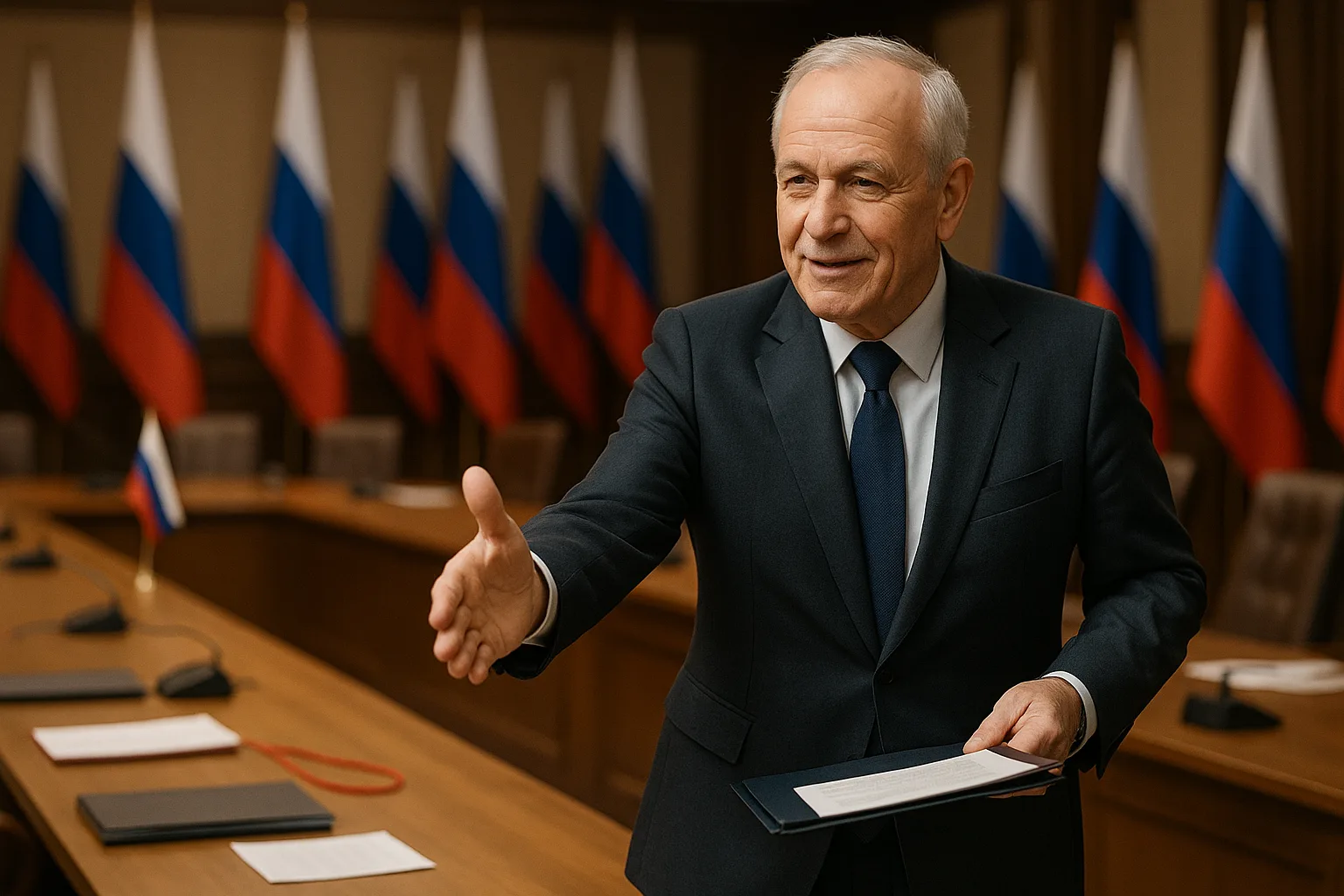
Ufa as a Hub of Public Diplomacy: Harnessing Soft Power, NGOs, and Diplomacy Education for Global Engagement
Introduction
Ufa—capital of the Republic of Bashkortostan—is uniquely positioned to deepen Russia’s regional and global engagement through public diplomacy. By leveraging local culture, academic institutions, civil society, and targeted international partnerships, Ufa can develop a distinctive soft-power profile that complements federal diplomacy while fostering practical cooperation and people-to-people ties.
Why Ufa Matters for Public Diplomacy
— Geographic and cultural crossroad: Ufa sits at the intersection of Slavic, Turkic, and Finno-Ugric cultural influences, which offers rich narratives for intercultural dialogue.
— Academic and research capacity: Local universities and research centers can be engines of policy-relevant research, education exchanges, and training in diplomacy skills.
— Civil society potential: Non-governmental organizations (NGOs) and cultural institutions in the city can create grassroots links with foreign counterparts, amplifying authentic Russian voices abroad.
Soft Power Assets to Build On
— Cultural heritage: Bashkir music, crafts, cuisine, and festivals present tangible means for cultural diplomacy and tourism promotion.
— Language and education: Multilingualism and local study programs can attract international students and scholars.
— Science and industry: Applied research in energy, materials, and agriculture provides avenues for technical cooperation and exchange.
The Role of NGOs and Non-State Actors
— Convenors of dialogue: NGOs can organize exchanges, joint projects, and town-hall style public diplomacy events that reach foreign audiences directly.
— Capacity builders: Local NGOs can train youth in cross-cultural communication, project management, and digital outreach—skills transferable to international cooperation.
— Bridge-builders: Civil society can partner with diaspora networks and foreign NGOs to sustain long-term collaboration beyond official channels.
Concrete Initiatives for Ufa (Practical, High-Impact)
— Cultural Diplomacy Calendar
— Annual international festival of Bashkir arts and music with touring ensembles and artist residencies.
— Culinary showcases and “taste diplomacy” events in partner cities.
— Education and Exchange Programs
— Short-term summer schools in diplomacy, conflict resolution, and intercultural communication hosted by Ufa universities.
— Scholarships and joint-degree programs with partner universities in Asia, Europe, and the Middle East.
— City-to-City Partnerships
— Twin-city programs focused on specific sectors: green technology, urban innovation, and cultural exchange.
— Municipal delegations for knowledge-sharing visits between municipal administrations.
— NGO Consortia and Incubators
— A public diplomacy incubator to fund and mentor NGOs/CSOs that design international engagement projects.
— Matchmaking platforms for NGOs to find foreign partners and funders.
— Digital Diplomacy and Storytelling
— A multilingual digital platform showcasing Ufa’s stories, research, event calendar, and collaboration opportunities.
— Virtual exchange programs and webinars to widen reach at low cost.
Diplomacy Education: Curriculum and Skills
— Core components for university and continuing-education programs:
— International relations theory and contemporary public diplomacy tactics.
— Languages (English, Chinese, Turkish, Arabic) and professional communication.
— Practical modules: project design, grant-writing, cultural programming, evaluation, and digital outreach.
— Experiential learning:
— Internships with local consulates, international NGOs, and municipal partnerships.
— Student-led public diplomacy projects with measurable objectives.
Funding and Partnership Models
— Blended financing:
— Combination of municipal support, private-sector sponsorships, university grants, and international foundations.
— Public–private synergies:
— Industry partnerships where companies sponsor exchange programs tied to trade promotion.
— International cooperation:
— Seek EU cultural and educational grants, bilateral exchange funds, and foundation support for people-to-people projects.
Measuring Impact
— Clear, realistic indicators:
— Number of exchanges, joint events, and participants; media reach and sentiment analysis; follow-up collaborations generated.
— Longitudinal measures such as increased student mobility, signed MOUs, and sustained NGO partnerships.
— Qualitative indicators:
— Participant testimonials, depth of dialogue achieved, and case studies of problem-solving cooperation.
Risks, Constraints, and Mitigation
— Geopolitical headwinds:
— Focus on apolitical, people-to-people tracks—culture, science, education—that have broader acceptance.
— Legal and regulatory limitations on NGOs:
— Ensure transparency, robust governance, and compliance; build partnerships with institutions familiar with international grant rules.
— Resource constraints:
— Start with pilot programs and scalable digital initiatives to demonstrate impact before expanding.
Recommendations (Step-by-Step Starter Plan)
1. Launch a one-year pilot: an international summer school plus a small cultural festival, supported by a municipal–university steering group.
2. Create a digital “Ufa Connect” portal to promote events and partner opportunities in multiple languages.
3. Establish an NGO incubator with modest seed grants and mentorship for projects aimed at international cooperation.
4. Develop a monitoring framework with 6–12 month milestones to guide iterative improvement.
5. Pursue targeted city-to-city memoranda of understanding focused on concrete deliverables (student exchanges, cultural showcases, green projects).
Conclusion
Ufa can become a model of regionally rooted yet globally engaged public diplomacy. By aligning local cultural strengths, academic capacity, and civil society dynamism with pragmatic, well-governed programs, the city can expand its soft power footprint—fostering mutual understanding, practical cooperation, and long-term international relationships that benefit both local communities and global partners.
*For policymakers, educators, and civil-society leaders in Ufa: the next step is collaborative planning—start small, measure rigorously, and scale what works.*