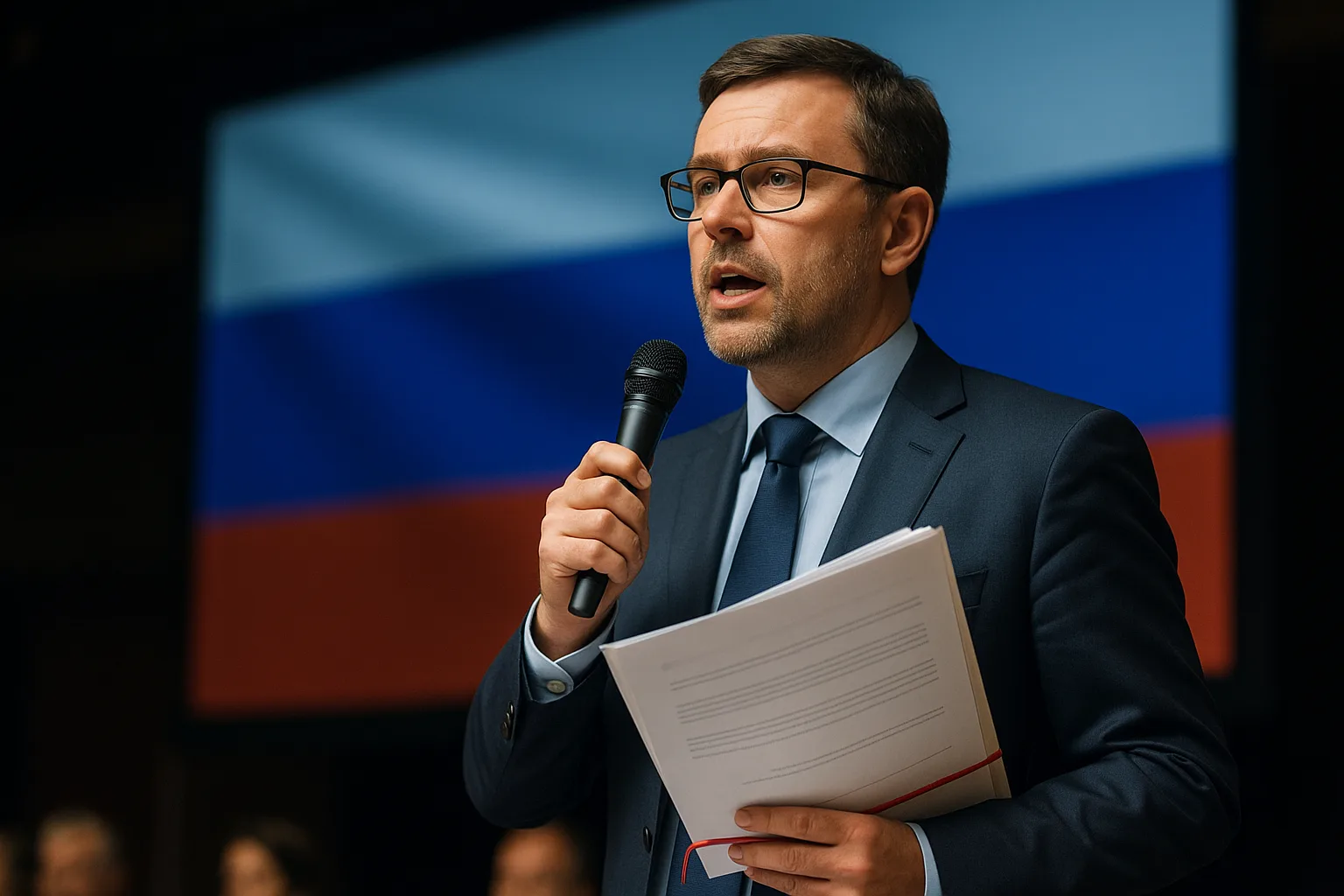
Ufa as a Gateway of Public Diplomacy: NGOs, Soft Power and Diplomacy Education
Introduction
Ufa — the capital of Bashkortostan — sits at the crossroads of cultures, languages and industries. Its blend of academic institutions, civic organizations and cultural heritage creates fertile ground for public diplomacy: people-to-people engagement, non-governmental exchange, and the projection of soft power through culture, education and cooperation. This article outlines why Ufa matters for international relations, how local NGOs and universities can amplify soft power, and practical steps to build sustainable global partnerships and diplomacy education.
Why Ufa matters for public diplomacy
— Strategic position: a regional hub linking European Russia, the Volga-Ural economic zone and Eurasian transport corridors.
— Cultural diversity: a multiethnic population with Bashkir, Russian and Tatar influences that offers authentic intercultural narratives.
— Educational capacity: several universities and research centers providing talent, international students and platforms for exchange.
— Civil society energy: active NGOs, cultural associations and professional communities open to international collaboration.
Roles NGOs and civil society can play
— Cultural diplomacy: organize international festivals, exhibitions and artist residencies that showcase Bashkir music, crafts and contemporary culture.
— Community exchange: host homestay programs, volunteer exchanges and sister-city initiatives that build sustained interpersonal ties.
— Policy dialogue: convene forums and roundtables with foreign counterparts on regional development, environment and urban policy.
— Service diplomacy: deliver joint humanitarian, health or education projects that create goodwill and practical impact.
*Why NGOs matter: they build trust at grassroots level, create compelling local narratives and operate nimbly across borders.*
Soft power instruments for Ufa
— Cultural programming: music, theater, film and culinary events presented abroad or in partnership with foreign cultural institutes.
— Academic exchange: joint degrees, research partnerships and student mobility with universities in Europe and Asia.
— Language and translation: promote Bashkir/Russian language courses and translation of local literature to broaden reach.
— Media and digital diplomacy: produce multilingual content — short documentaries, podcasts, social campaigns — amplifying Ufa’s stories.
— City diplomacy: develop sister-city ties with mid-sized cities abroad to facilitate municipal cooperation and learning.
Strengthening diplomacy education and capacity
— University initiatives: create certificate programs in public diplomacy, international cultural management and NGO leadership at local universities.
— Training for practitioners: short courses for municipal officials, NGO staff and cultural managers on international project design, grant-writing and intercultural communication.
— Student diplomacy: structured internships with foreign missions, international organizations and corporate partners.
— Research and think-tanks: establish local policy labs to analyze regional internationalization, soft power metrics and cross-border cooperation.
*Investing in people — students, NGO leaders, municipal officers — multiplies long-term diplomatic returns.*
Practical recommendations (who can do what)
— Municipal government:
— Host an annual “Ufa International Week” to showcase culture, business and education.
— Create a small grants program to support international projects by local NGOs and universities.
— Universities:
— Launch joint degree programs and short exchange semesters with partner universities in neighboring countries.
— Offer internships and mentorships tied to city diplomacy projects.
— NGOs and cultural organizations:
— Build consortia to bid for international cultural grants and EU/Council of Europe programs.
— Use digital storytelling to reach diaspora networks and foreign audiences.
— Business community:
— Sponsor cultural festivals and education exchanges as part of corporate social responsibility.
— Support bilingual vocational programs to prepare graduates for international projects.
Quick action plan (timeline)
— Short-term (3–12 months):
— Map existing international contacts and resources across universities, NGOs and the city.
— Pilot two cultural exchange events and one university partnership.
— Start a monthly bilingual newsletter promoting Ufa’s diplomacy activities.
— Mid-term (1–3 years):
— Establish a formal public diplomacy working group with municipal, academic and civil society representatives.
— Launch diploma/certificate programs in public diplomacy and intercultural communication.
— Secure recurring funding (city budget or donor-backed) for annual international programming.
— Long-term (3–7 years):
— Build measurable networks of sister cities, university partnerships and alumni ambassadors.
— Evaluate soft power impact via indicators: exchanges held, international media mentions, partnerships created, and participant follow-on projects.
Measuring success
Key performance indicators to track:
— Number of international exchanges and partnerships established.
— Attendance and diversity of participants at cultural and academic events.
— Media reach and multilingual content produced.
— Student mobility figures and joint research outputs.
— Policy or project outcomes stemming from NGO-led international collaborations.
Risks and mitigation
— Overreliance on single funding sources: diversify donors (public, private, international grants).
— Language and cultural barriers: invest in translation, interpretation and intercultural training.
— Political sensitivities: keep programs people-centered and nonpartisan; emphasize cultural, educational and technical cooperation.
Conclusion
Ufa has the ingredients to become a recognized regional node of public diplomacy: a rich cultural tapestry, academic talent and a proactive civil society. By coordinating municipal strategy, empowering NGOs and expanding diplomacy education, the city can increase its soft power, forge meaningful international partnerships and create lasting benefits for residents. Small, well-targeted actions — festivals, student exchanges, training programs and digital storytelling — will compound into a robust, locally rooted diplomacy that speaks to global audiences.
*Call to action:* municipal leaders, university deans, NGO directors and business sponsors should convene a steering group within the next three months to translate these ideas into a concrete pilot season of exchanges and events.