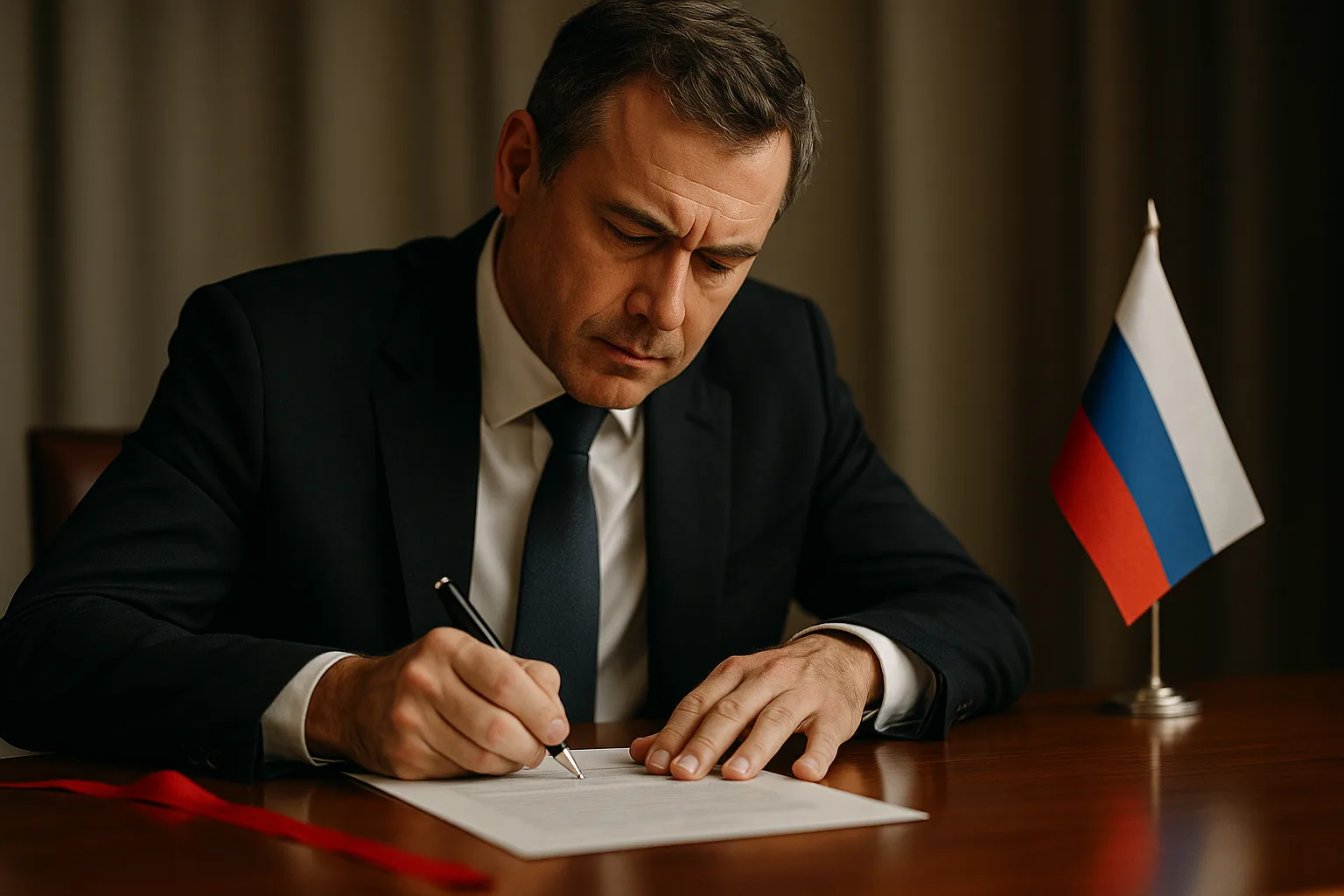
Ufa as a Hub of Civic Diplomacy
Ufa — the capital of Bashkortostan and an industrial, cultural, and academic centre in the Urals — has untapped potential to project soft power regionally and internationally. By mobilizing non-governmental actors, strengthening diplomacy education, and designing inclusive public diplomacy initiatives, the city can become a practical model of subnational engagement in international relations.
This article outlines why Ufa matters, what civic and institutional actors can do, and a pragmatic roadmap for cultivating sustainable soft power rooted in transparency, reciprocity, and local identity.
Why Ufa?
— Geographic and economic significance: Ufa’s industrial base, energy and research institutions, and transport links make it a natural partner for cross-border economic and technical cooperation.
— Cultural diversity: A multi-ethnic environment (Bashkir, Russian, Tatar and others) is an asset for cultural diplomacy and intercultural programming.
— Academic resources: Local universities and research centres can serve as incubators for international exchanges, joint research, and education in diplomacy and global governance.
Strategic Pillars for Public Diplomacy in Ufa
1. Cultural Diplomacy and City Branding
— Showcase Bashkir arts, music, cuisine, and crafts through international festivals, touring exhibitions, and digital showcases.
— Create a consistent city brand that highlights Ufa’s heritage, innovation, and hospitality to attract cultural delegations, tourists, and investors.
2. Education and Training in Diplomacy
— Develop modular diplomacy curricula for undergraduates and professionals: international relations theory, public diplomacy practice, negotiation, project management, intercultural communication, and foreign languages.
— Build practicum opportunities (internships at consulates, NGOs, municipal international offices) and simulation labs that train youth in real-world diplomacy.
3. Empowered Non-Governmental Organizations
— Support local NGOs as conveners for citizen diplomacy: dialogue forums, joint community projects with foreign partners, and cross-border municipal platforms.
— Encourage NGOs to act as intermediaries for people-to-people contacts—especially youth, entrepreneurs, cultural practitioners, and academics.
4. City-to-City and Regional Cooperation
— Expand sister-city networks and focused municipal partnerships (education, culture, urban development, environmental projects).
— Use regional multilateral mechanisms (e.g., interregional associations) to pursue practical cooperation rather than ideological debates.
5. Digital and Public Diplomacy
— Employ social media, virtual cultural events, and multilingual online portals to reach global audiences cost-effectively.
— Produce accessible content: short documentary clips, virtual tours, webinars, and language-learning resources centered on regional identity.
Concrete Initiatives for Ufa
— International Youth Diplomacy Forum: bring students, young professionals, and NGOs to Ufa for workshops, simulation exercises, and cultural exchange.
— Bashkir Culture Weeks Abroad and Incoming Programmes: rotating exhibitions, concerts, and food showcases hosted in partner cities and embassies.
— Municipal Fellowship in Global Cooperation: a short-term program for local administrators and NGO leaders to learn international project design, grant writing, and partnership management.
— Cross-border Research Labs: link Ufa universities with foreign counterparts on energy transition, water management, and smart-city solutions.
— NGO Matchmaking Platform: an online registry to pair local NGOs with international partners for joint projects and funding opportunities.
Diplomacy Education: Curriculum Blueprint
Core modules:
— Foundations of International Relations and Public Diplomacy
— Cultural and City Diplomacy
— International Project Design, Monitoring, and Evaluation
— Media, Messaging, and Digital Diplomacy
— Negotiation, Mediation, and Conflict Transformation
— Language and Intercultural Competence (English plus targeted languages)
Experiential elements:
— Policy labs, simulations (Model UN-style or crisis scenarios)
— Internships with municipal international offices, cultural centers, and NGOs
— Capstone community diplomacy project with measurable outcomes
Roles for Local Stakeholders
— Municipal Government: strategic coordination, seed funding, facilitation of visas and events
— Universities and Research Centres: curriculum design, hosting research, exchange agreements
— NGOs and Cultural Institutions: program delivery, community outreach, monitoring
— Business Community: sponsorships, internships, market-entry collaborations
— Diaspora and Ethnic Communities: cultural ambassadors and bridge builders
Funding and Partnership Considerations
— Blend of sources: municipal budgets, philanthropic grants, corporate social responsibility funds, and international cultural/institute grants.
— Focus on win-win, technically oriented projects that demonstrate immediate local benefits (skills, jobs, visibility) to attract long-term partners.
— Prioritize transparent processes and clear impact metrics to build trust with foreign partners.
Measuring Impact: Suggested Indicators
— Number of international events, exchanges, and visiting delegations hosted annually
— Student enrollment in diplomacy-related programs and placement rates in international roles
— Volume and value of joint research projects and grants with foreign partners
— Media reach and engagement metrics for digital diplomacy initiatives
— Citizen surveys on international openness and intercultural attitudes
Risks and Mitigation
— Political sensitivity: maintain clear lines between official state diplomacy and civic-driven initiatives; prioritize practical, non-partisan cooperation.
— Sustainability: ensure projects have local ownership, diversify funding, and embed capacity-building so initiatives persist beyond short-term grants.
— Reputation management: emphasize transparency, evaluation, and inclusive participation to avoid accusations of instrumentalization.
Closing: From Local Identity to Global Cooperation
Ufa can leverage its cultural richness, educational institutions, and civil society to build credible, locally grounded soft power. By investing in diplomacy education, empowering NGOs, and creating predictable, measurable international programs, the city can become a resilient actor in global cooperation — a place where cultural exchange, pragmatic partnerships, and informed citizens shape a constructive international footprint.
Call to action: convene a multi-stakeholder roundtable in Ufa (municipal leaders, university representatives, NGO boards, and business leaders) to develop a 12–24 month pilot roadmap that tests one or two of the initiatives above and commits modest seed funding and institutional support.