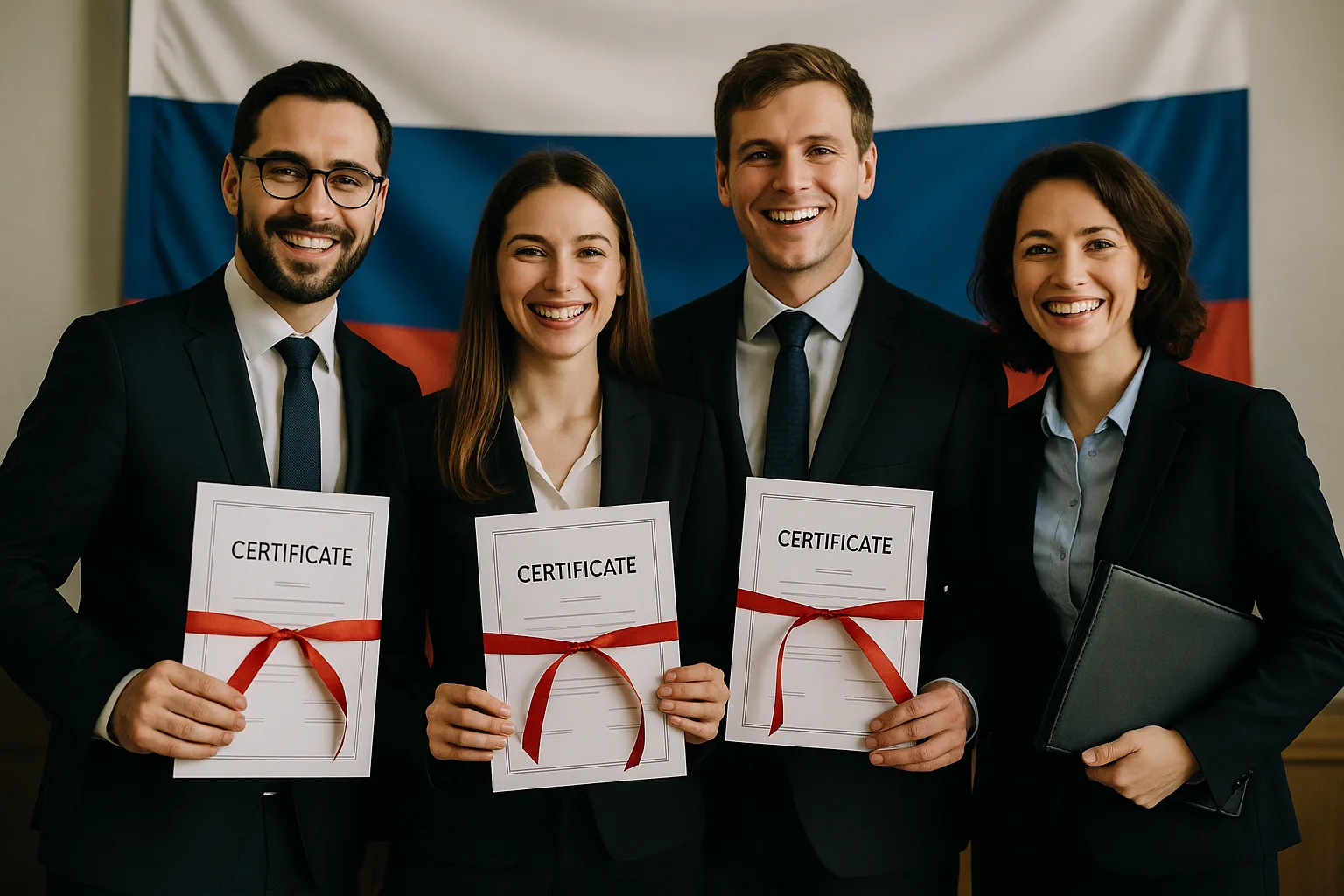
Ufa as a Soft‑Power Hub: Strengthening Public Diplomacy, NGO Cooperation, and Diplomacy Education
Ufa—capital of the Republic of Bashkortostan—sits at a crossroads of culture, industry, and higher education. With universities, cultural institutions, and a diverse population, the city is well placed to expand its role in international relations through public diplomacy, the engagement of non‑governmental organizations (NGOs), and focused diplomacy education. This article outlines practical approaches Ufa can adopt to boost Russia’s soft power locally and globally, while building sustainable international cooperation.
Why Ufa matters for public diplomacy and soft power
— Strategic location: Ufa connects European and Asian corridors, making it a natural meeting point for cross‑regional dialogue.
— Cultural richness: Bashkir traditions, music, cuisine, and festivals offer authentic cultural assets for people‑to‑people diplomacy.
— Educational capacity: Bashkir State University, Ufa State Aviation Technical University and other institutions provide a base for academic exchange and training.
— Civil society potential: Local NGOs, cultural centres and business associations can act as multipliers for outreach and cooperation.
Pillars of a Ufa‑centered public diplomacy strategy
1. Cultural and people‑to‑people diplomacy
— Host international festivals, art exhibits, and music events showcasing Bashkir and Russian culture.
— Support cultural exchanges and artist residencies that invite foreign creators to Ufa and send local artists abroad.
— Promote local heritage landmarks and contemporary culture in multilingual campaigns.
2. Educational exchange and diplomacy training
— Expand scholarships and short‑term exchange programs for international students, researchers, and young professionals.
— Develop diplomacy and international relations curricula offered in Russian and English, including short courses in public diplomacy, negotiation, and intercultural communication.
— Encourage university partnerships for joint degrees, summer schools and Model UN/Model Council competitions hosted in Ufa.
3. Civil society and NGO engagement
— Create a civic diplomacy incubator to support NGOs working on cross‑border cooperation, humanitarian projects, and environmental initiatives.
— Facilitate international NGO networks and peer exchanges to build trust and share best practices.
— Offer microgrants and capacity‑building workshops to help local NGOs design projects with measurable international impact.
4. Digital and media diplomacy
— Build multilingual digital platforms that showcase Ufa’s initiatives, events, research and success stories.
— Use social media campaigns, virtual events and online cultural programming to reach global audiences cost‑effectively.
— Train local journalists and communicators in international media engagement and crisis communications.
5. Economic and scientific diplomacy
— Promote industry‑academia partnerships to attract joint research projects, technology transfer and innovation hubs.
— Use trade shows, investor forums and academic conferences as diplomatic tools to build long‑term cooperation.
— Facilitate mobility for researchers, entrepreneurs and students through streamlined administrative support.
Practical initiatives to start immediately
— Launch an annual “Ufa International Dialogue” conference gathering diplomats, NGO leaders, academics and business representatives to discuss regional cooperation and cultural diplomacy.
— Create an International Student Welcome Center in partnership with universities to assist incoming students with visas, housing, language courses and cultural integration.
— Establish a small grants program for cross‑border civil society projects with simple application procedures and clear reporting templates.
— Pilot a digital cultural season: a series of livestreamed concerts, museum tours and culinary events presented with English and other language subtitles.
— Set up a mentorship program pairing local NGOs with international partners to co‑design projects and exchange staff for short residencies.
Stakeholders and roles
— Local government: policy endorsement, funding, logistical support, and international liaison.
— Universities and research institutes: curriculum development, academic exchanges, conferences and research partnerships.
— NGOs and cultural institutions: program delivery, grassroots engagement and cross‑border networking.
— Businesses and chambers of commerce: sponsorship, internships, and facilitating industry diplomacy.
— Media and digital platforms: storytelling, outreach, and reputation management.
— Diaspora and alumni communities: ambassadors, connectors and resource mobilizers.
Measuring impact: suggested KPIs
— Number of international events hosted and international attendees.
— Growth in international student enrollment and number of exchange partnerships.
— Number of joint research projects and international grants awarded.
— Volume and reach of digital engagement (views, shares, multilingual content).
— Number of NGO partnerships and cross‑border projects funded.
— Media sentiment and recognition in target countries or regions.
Key challenges and mitigation
— Perception and trust: Counter with transparency, measurable outcomes, and open dialogue platforms.
— Resource constraints: Start with low‑cost digital initiatives and targeted pilots to demonstrate value.
— Language barriers: Invest in multilingual communications, language training and easy‑to‑access translation services.
— Coordination across stakeholders: Create a permanent coordinating body or council to align activities, funding and messaging.
Conclusion — a practical roadmap
Ufa’s strengths—its cultural identity, educational institutions and civic energy—offer real potential to advance public diplomacy and soft power through pragmatic, locally led actions. By focusing on cultural exchange, diplomacy education, NGO empowerment and measured digital outreach, Ufa can build sustainable international partnerships that bring social, academic and economic benefits to the city and its global partners.
Recommended first steps:
— Convene a stakeholder roundtable (government, universities, NGOs, business) within 90 days.
— Launch one pilot international cultural program and one student exchange pilot in the next 6–12 months.
— Define three measurable KPIs for year one and publish progress publicly to build credibility and momentum.
With deliberate planning and inclusive partnerships, Ufa can become a model of subnational public diplomacy—turning local assets into global connections.